Image

Expert Farmer completed a pre-feasibility study for a large-scale irrigated agriculture project in Kenya. The project sets-out to develop a crop production unit using center pivot irrigation on a land bank of 300 000 ha. This private project forms part of a broader national program to improve food security and agricultural productivity, an effort Expert Farmer has already contributed to through a contract with the IFC (World Bank Group).
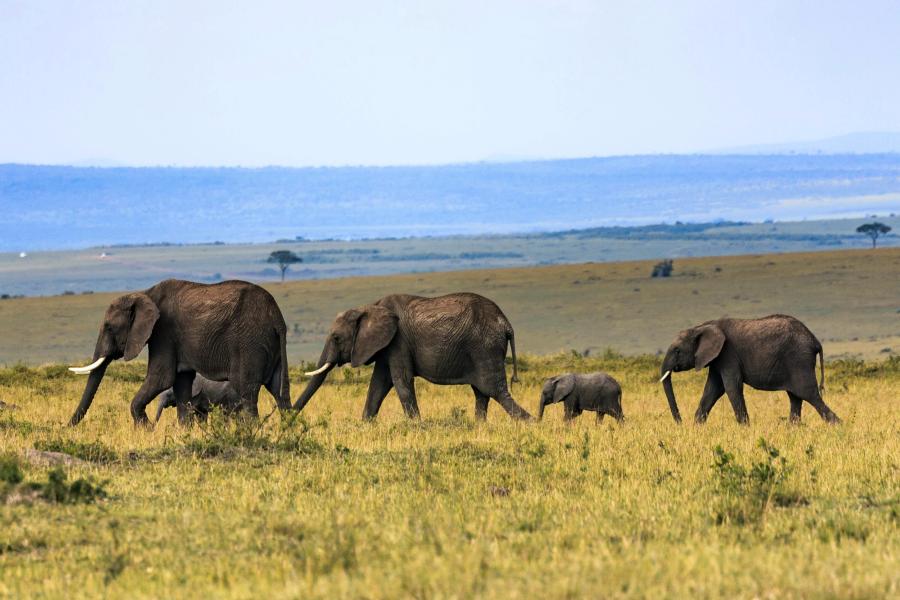
The project encountered major challenges, such as potential soil toxicity, uneven fertility, and complex water conveyance via rivers and canals. Additionally, its location near a national park required adjustments for local wildlife.
The study enabled the client to refine its development strategy by identifying suitable land, tailoring crop rotations, and estimating investment needs. It provided a roadmap for sustainable, profitable agricultural development aligned with national priorities.
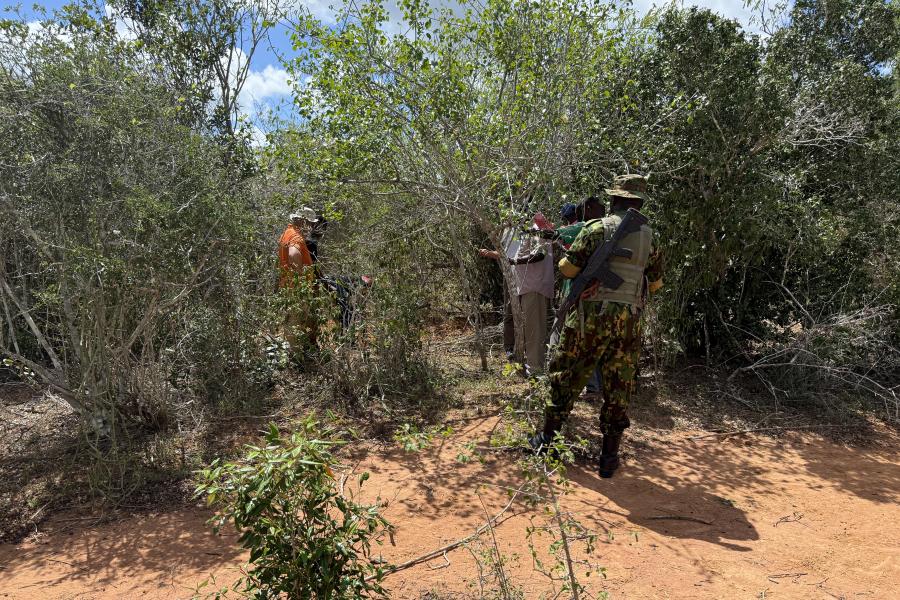
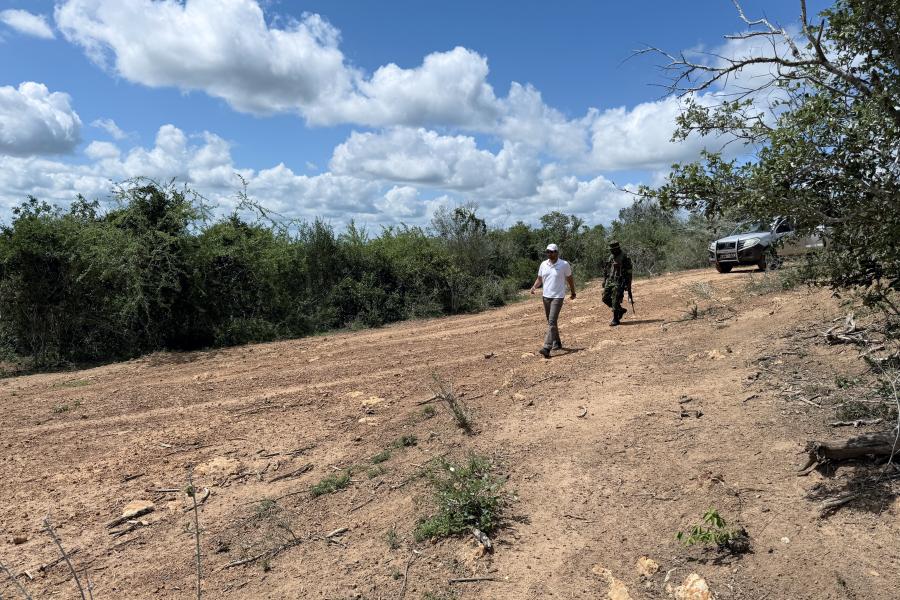
Expert Farmer has conducted extensive field missions to evaluate topography, soil types, and chemical properties. This included mapping salinity, sodicity, boron toxicity, and nutrient imbalances to inform land suitability and crop selection. Our previous work in Kenya made it easy to quickly engage a reliable local soil lab, ensuring efficient and high-quality soil analysis for the project.
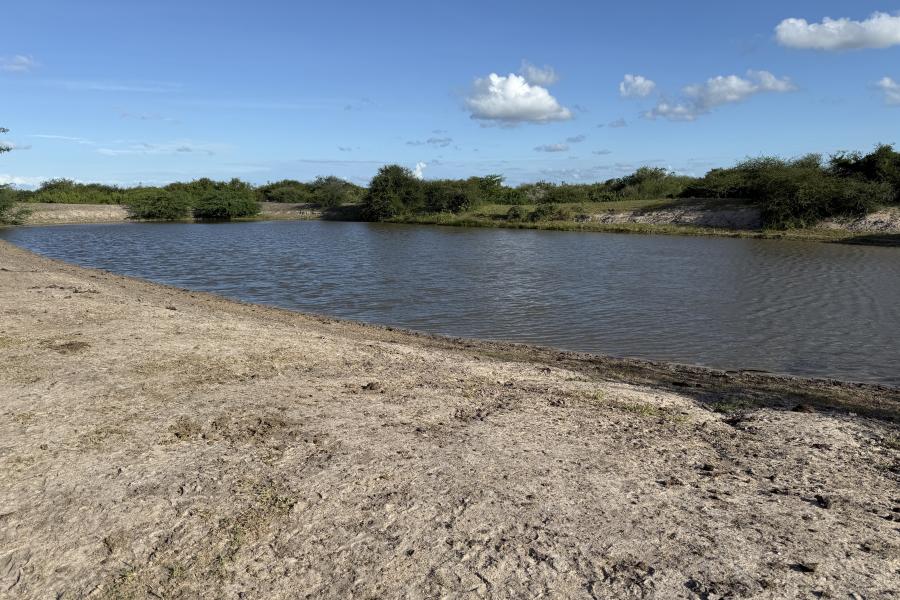
We have assessed the River's capacity, designed a gravity-fed canal system, and developed a center pivot irrigation layout. Water requirements were calculated for each crop and rotation scenario, ensuring alignment with available flow and infrastructure. To ensure world-class water management, Expert Farmer collaborated with leading hydrologic experts renowned for designing and implementing large-scale irrigation schemes for both public and private sector projects.
Expert Farmer selects crop mixes based on an evaluation of various factors: adaptability to site conditions, economic feasibility, compatibility with equipment to manage capital costs, agronomic suitability, potential to improve soil quality, and mitigation of water requirements. This approach supports a consistent crop rotation that meets economic objectives while maintaining natural resources. The integrated method reflects our team expertise in crop planning.
A comprehensive, phased master plan was developed that encompassed the canal networks, pivot clusters, farm camps, roads, and wildlife corridors, with an emphasis on cost-efficiency, scalability, and harmony with the surrounding environment. Alongside the development planning, detailed financial modelling was conducted to estimate both capital and operational expenditures, project profitability over a 20-year horizon, and identify key financial drivers. This integrated approach ensured that infrastructure development was closely aligned with economic analysis, with sensitivity assessments evaluating the impact of variables such as yield, crop pricing, and soil recovery timelines on long-term project viability.
Our sustainable land reclamation approach begins with a deliberate transition, dedicating the land to several seasons of rain-fed, deep-rooting cover crops that naturally restore soil health. These hardy, drought-resistant species are a cornerstone of regenerative agriculture, requiring no artificial irrigation or synthetic fertilizers—thriving solely on rainfall—to promote biodiversity and soil regeneration. This process helps rebuild organic matter, break up compacted soil, and foster beneficial soil microbes, all key factors in sustainable farming systems.
Through this low-impact, conservation-focused phase, we maximize resource efficiency, avoid over-management, and facilitate the gradual stabilization of soil pH while reducing greenhouse gas emissions, supporting climate-smart agriculture. By limiting erosion, optimizing moisture retention, and enriching soil organic carbon through decaying plant material, these initial plantings prepare the land for future sustainable crop production. Over time, the soil becomes more fertile and resilient, establishing a solid foundation for subsequent, diversified crop rotations and responsible practices. This sequencing ensures the land is sustainably restored, ready to support high-value crops while prioritizing environmental stewardship, soil conservation, and long-term agricultural productivity without compromising natural resources or ecosystem health.