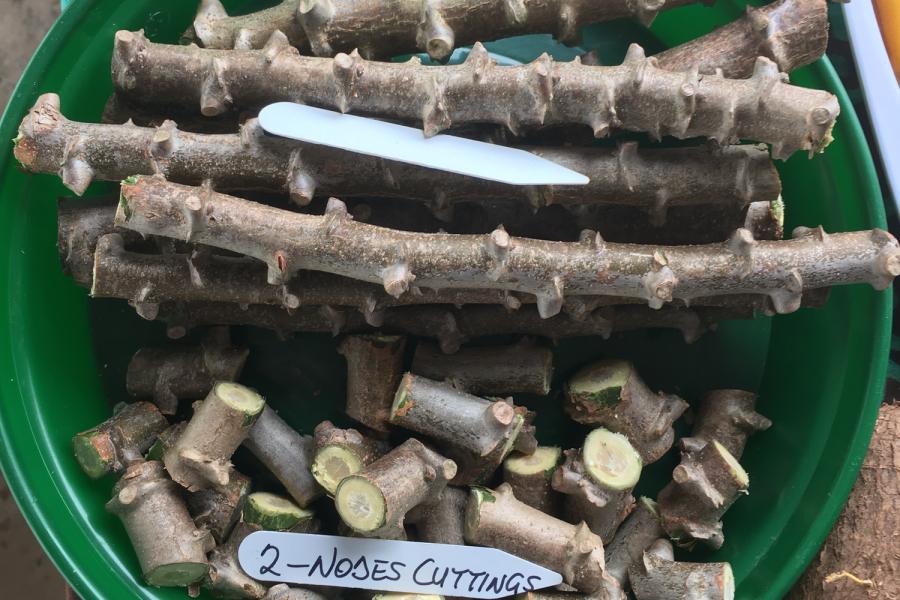
Image
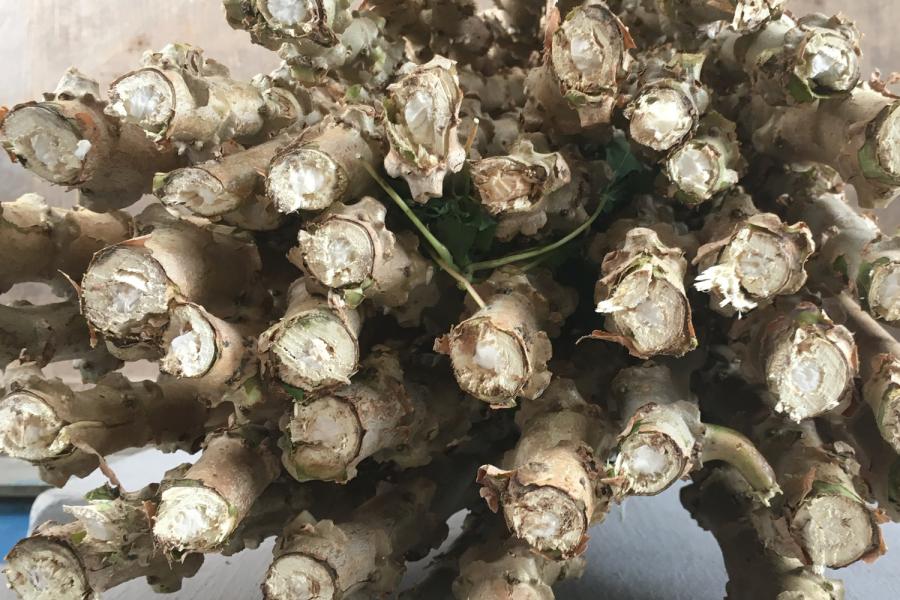
This project consisted of a full technical and economic feasibility study for a large-scale integrated cassava production and starch processing project in Nigeria. Expert Farmer has supported the client in transforming a raw land opportunity into a structured, finance-ready agricultural investment. The study provided a robust basis for strategic decision-making and fundraising.
The project faced multiple challenges including land occupation by existing communities, remote access and logistics constraints, limited infrastructure, and the need to design a scalable production system adapted to cassava mechanization in West Africa. Ensuring social acceptability and long-term operational viability were crucial to the analysis.
Rather than a binary go/no-go conclusion, the feasibility study enabled the client to clarify its development strategy, de-risk the investment, and structure a phased implementation plan aligned with capital constraints and market realities. The work positioned the project as a bankable, scalable agribusiness initiative.
Expert Farmer delivered an end-to-end feasibility assessment structured around four complementary pillars.
First, our experts carried out in-depth site and resource assessments combining field missions, soil analyses, topographic studies and GIS mapping to identify the most suitable development zones while minimizing land reclamation costs.
Second, we designed a complete production and mechanization model adapted to cassava, integrating crop planning, very specific mechanization equipment selection, infrastructure layout and phasing to ensure operational efficiency at scale.
Third, Expert Farmer developed a robust economic and financial model, covering CapEx, OpEx, cash-flow, price sensitivity and return on investment, enabling the client to engage confidently with investors and lenders.
Finally, we addressed social and organizational dimensions, including workforce planning, training needs and the design of an outgrower scheme to anchor the project within its local environment.
This integrated approach allowed the client to move from opportunity identification to an investment-ready agricultural project with clear strategic options and controlled risk exposure.
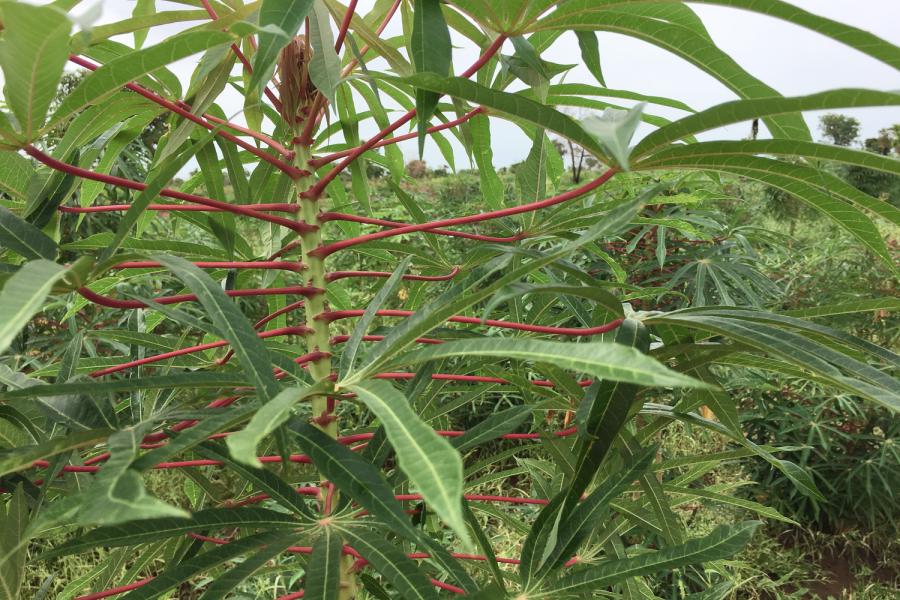
Cassava is a highly perishable crop: once harvested, tubers deteriorate within 24 hours to 48 hours and lose value within a very short time window. This intrinsic constraint makes large-scale cassava projects fundamentally different from most field crops and places production planning, harvesting schedules and logistics at the core of project success.
When a processing plant is involved, the challenge is amplified: the factory requires a long-term continuous and predictable supply of tuners. Expert Farmer’s work therefore focused on structuring the entire production system around this constraint, aligning field operations, phasing of planted areas, harvesting capacity and transport flows with the industrial needs of the processing unit.
By integrating agronomy, operations and logistics into a single, coherent framework, we enabled a reliable and durable supply strategy that secures both farm performance and processing plant viability.
H&W Rice has developed a rice production project with Expert Farmer and started with the construction of a paddy rice mill. The company wants to secure the influx of paddy rice to the mill by developing contracts with private growers within the project land and outside. Expert Famer has been remobilized to design the project execution plan for contract farming.
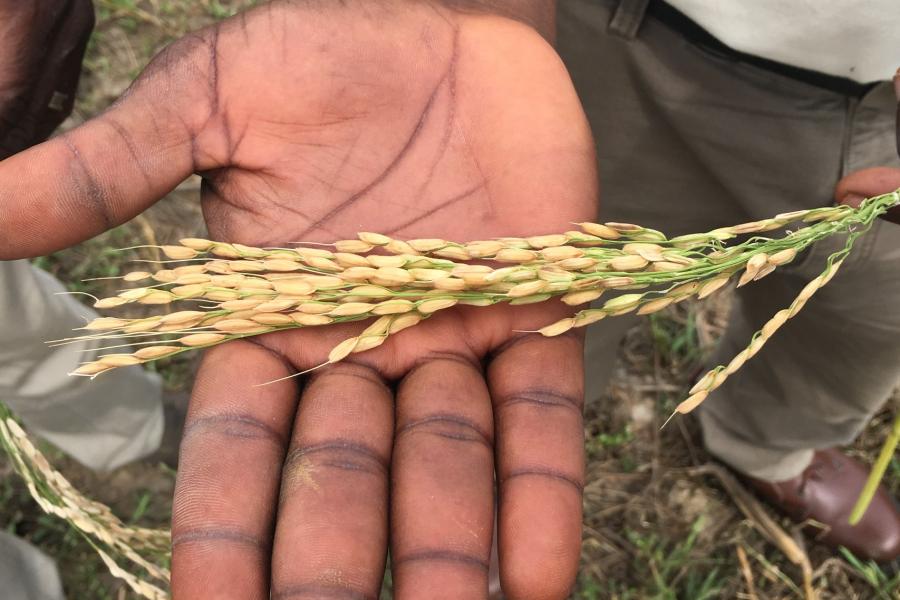
As the H&W Rice relies on the farmers to run its mills profitably, it is critical to secure a good relation with farmers so that both sides find interest in collaboration. In-growers can foster a closer relationship than the out-growers but require more investment. Once the in-growers are secured, the out growers can be targeted more widely.
Expert Farmer has detailed the strategy and operational management of the contractualisation with farmers, with sizing and organization of the management, technical aspects with crop husbandry requirement and logistics, as well as the economic dimension of the project.
Expert Farmer as successfully provided the following scope of services.
In this scheme, the buyer leases land to small farmers (ingrowers) who receive comprehensive support, including irrigation infrastructure and water, quality inputs (seeds, fertilizers, agrochemicals), mechanized services (soil preparation, transplanting, harvesting), and technical assistance. These farmers operate under a contract farming system. The industrial entity provides them with the necessary resources upfront, then recovers costs by deducting them from the harvested paddy rice, which they must exclusively supply to the company’s mill. This model aims to be socially inclusive and economically scalable, securing a reliable rice supply chain while empowering local farmers.